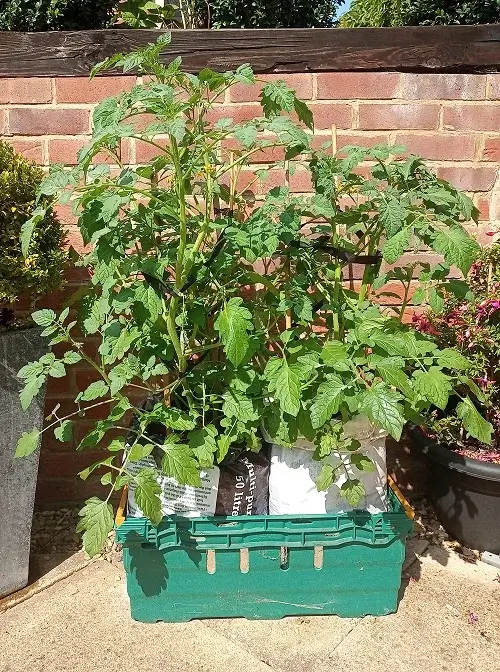
Curious about biochar and its benefits? Learn what biochar is, how to use it effectively, and why choosing top-quality biochar makes a difference. We also explain what super compost is, how to make it at home, and how Soilfixer SF60 works as a powerful super soil improver. Whether you want healthier plants, richer soil, or more sustainable gardening methods, this guide covers everything you need to know.

It’s always a great time to start using the HOTBIN Mega compost bin on your allotment

Why Use the HOTBIN Mega Compost bin?

• Compost within 90 days, all year round

• Excellent quality compost

• Option to make Biochar Super Compost

• Space saving – replace 3-4 pallet frames,  12-16 ‘daleks’, more space for growing

• Kills weed seeds

• No turning

• Year round performance

What’s special about allotment composting?

• Large volumes of green waste (i.e. plant material)

• Often large pieces of plant material and not easy to shred or chop

• Lots of the same item at one time – e.g. clearing out potato crop, end of tomato season, end of cabbages

• Longer season – stretching through winter (e.g. brassicas)

• Existing composting tends to be incomplete and takes a long time

• Often lots of weeds – normal ‘cold’ composting won’t kill weed seeds

How do I use the HOTBIN Mega?

It’s straightforward

• Put the bin together as per the instructions. (Remember to take the charcoal out of the bag and add it loose into the tray in the lid)

• Gather your waste vegetables, weeds etc. Preferably shred and chop it up

• Load the waste in, put the lid on and wait for the temperature to rise!

• If you are making biochar super compost – sprinkle the composting agent onto the compost waste each time you add more waste

• Note: On first use, you need to get the bin 1/3 full before it will kick into the hot zone

• Thereafter you need to add 20Kg (a full wheelbarrow) each week to maintain the hot zone.

• On first use, sprinkle in some old compost on new waste to add microbes and ensure a fast start

• Keep going until full

Emptying out

Take off the ratchet straps.  Lift up one of the wall panels away from the base. You need to lift before you attempt to push out the panel as the wall panel ‘interlocks’ with the base.  See our blog

Do I need to chop or shred?

Yes preferably chop. Composting is always faster to get going if you shred and chop waste. There is more surface area for microbes to attack and you are giving them easy access. The outer peel and stems are designed to protect against microbes – the chopped surface has no protection. (Think of this as infection in open wounds vs unbroken skin).

With allotments, if there is no shared shredder, chopping is often just too time-consuming.  If you don’t chop, then gently push down the waste so pieces are sitting next to each other. Also, factor into your expectations: you add a solid Brussels sprout stem – it is going to take longer to compost (even at 60C) than a chopped-up stem.

What about Green and Brown ratios?

With most allotment waste, the waste will have near-perfect ratios and there is no need to worry or check.

If you are adding high carbon items like wood chip, straw and sawdust they will need balancing with high nitrogen waste like grass, weeds or chicken poo and vice versa.

What if I don’t have enough waste each week?

Don’t over worry if you do not have enough to keep it running at 60C. When you add waste, it will quickly heat up again.

Comparing my Mega bin compost to my old compost

If this is the first time using a HOTBIN, it will be worth holding onto a sample of your old compost and taking some notes so you can compare it to the HOTBIN compost.

When you empty the HOTBIN, might we suggest you have a look back at the information on your old compost? If you have a sample, take a handful, dampen it and roll it into a ball in your hand. Do the same with new compost. Now leave both in sun to dry. If you have a nice full day at the allotment, come back every 3 hours and prod them. One will dry out faster than the other into a brown friable pile.

It doesn’t look big enough

The 450 and 700 litre bins look about the same size as a pallet frame bin compost bin. But that’s where things end – do not be put off if you have 3,4, or 6 pallet frame bins. The Mega bin hot composts at 40-60C and will churn through waste 4-32 times faster than a bin in ambient air (the exact speed depends on what you add).

My big compost piles get hot so why use a HOTBIN Mega?

A large pallet frame when full will get hot, but it is likely to only stay hot for few days and the outer layer will not get hot. You will need to turn the outer material several times to get it all composted. Why not have a no turn system and spend all the extra hours growing lovely vegetables.

I’m doing No-dig allotment – do I need a HOTBIN Mega?

No dig requires compost. Usually it is recommended to add this as a top covering.

There is a widely held belief that earth worms and insects will pull compost down into the soil and eat it. There are videos showing worms pulling down leaves.  To a small degree yes, earthworms will eat leaves, but they have no large mouths or teeth; they feed on the soft mushy outer edges that the microbes have already started to digest. The bits pulled down still need to be decomposed by microbes and fungi. If your soil is in good condition and has lots of worms, they will take down small bits of well matured compost faster than rough mulching compost.

Most of the root activity is under the surface around 5-10cm in the so called Rhizosphere. If you are NO-DIG, here’s what we recommend:

Spread the compost as normal in a 5-10cm layer. Water it in using a hose pipe and copious amounts of water (subject to hose pipe bans etc). Don’t be afraid to really pour it on – your goal is to wash all the really beneficial small particles of humus of the larger bits and down into the soil.

A lot of compost comes out of cold heaps only partially degraded. Large bits of compost on the surface dry out.  With hot composting (and especially hot composting with the biochar composting agent), you get far more complete breakdown. In our recent tests of ‘flushing’ we found only 10% of the original compost was left on the surface – this is against 50-60% of the usual compost we purchased (after washing, it was clear just how much wood chip was in the compost!)

I’m doing lasagne layered (sheet composting) over winter – should I move to the Mega?

Like all gardening there are pros and cons of each method.

From our perspective here are some of the cons:

• This is a form of ‘cold’ composting. By this we mean is the compost pile temperature follows the ambient air/soil temperature so in the UK5-15C which means the composting process is slow.

• You lose a large area of ground while the process takes place.

• In winter, when the temperature of soil falls below 5C, the microbes stop working.

• Weed seeds are rarely killed in cold composting.

• There is no science behind layering, it is a compost myth. Microbes cannot jump between layers. If they need more nitrogen (from the greens) it is inaccessible in the layer above (browns, high carbon). There are thousands of large scale compost sites all over the world composting millions of tonnes of plant waste (the UK process about 15 million tonnes into 5 million tonnes of compost a year). We do not know a single site that uses layering – they all shred and mix.

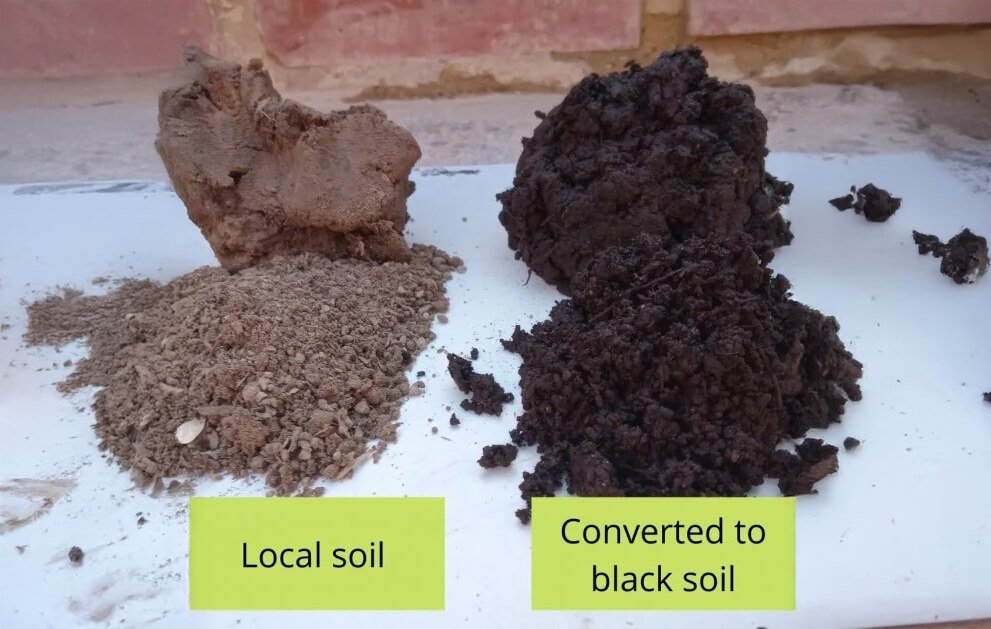
Amazonian Dark Earths (ADE) are thousands of years old and the recipe is long gone. We do not live in the Amazon Rain Forest, nor are UK soils and conditions the same as those in the Amazon. In truth, what we are suggesting is making the closest thing in terms of fertility and soil performance to the ADEs:  A modern-day Terra Preta sometimes called Terra Preta Nova (TPN).

We think our method and the final product is world-leading.

Why not have a go and make your own biochar super compost?  Add it to your soil and create the nearest thing to ADE/Terra Preta.

Local soil and converted to black soil

Making Terra Preta in the HOTBIN Mega is easy!

  • Start your HOTBIN Mega as usual by filling it with compostable waste
  • Sprinkle on the Biochar Compost Activator / Humification agent (about 10% by volume)
  • Let it compost down

How to use the HOTBIN Biochar Super Compost to make ADE

What you get out of HOTBIN Mega when using the Compost activator is  “biochar super compost”. Mix this biochar super compost  with your topsoil:

  • 1 part biochar super compost, 3 parts loamy topsoil
  • 1 part biochar super compost, 1 part clayey or sandy topsoil

(Topsoil varies a lot – if you have reasonable soil then use a 1:3 ratio if you have poor soil, use a 1:1 mix)

Is making ADE really that simple?

Yes. All the hard graft and science is behind the scenes. If you want to know more see below, otherwise have a go.

Why does the SoilFixer ADE recipe work?

If you want to know why the recipe works, the overview is as follows

  • The compost conditions inside the HOTBIN make more colloidal humus than traditional composting. (The exact conditions we use are patent protected – it’s just a happy coincidence that HOTBIN supports most of them)
  • The addition of biochar and trace minerals (i.e. the compost humification agent) makes even more colloidal humus
  • Colloidal humus and biochar work together to give huge increases in plant growth
  • The biochar super compost made in a compost pile gives better plant growth over adding biochar directly to the soil, and better growth over compost mixed with biochar and then added to the soil.

It is our hypothesis that our ancestors never deliberately added biochar (wood charcoal) to their soil to increase soil fertility. We believe they put many “waste” materials such as food residues, fire pit ash and faeces into middens (toilet pits). Such pits acted as compost bins. After a time, they noticed more vigorous plant growth around such covered pits. They found that adding the contents of the old pits (“biochar super compost”) to their fields increased crop growth. At SoilFixer, we have used our composting knowledge to work out which things need to be added to the compost waste and which composting conditions were likely to be present in the midden pits.  We then set about replicating them and finding compost systems that supported the recipe and method.

Can I use plain, raw, virgin biochar instead of your Compost agent in the HOTBIN Mega?

Yes and it will work to a degree.  But rest assured, we first tested adding just biochar into the compost heap. What made the step change difference was biochar plus the trace minerals.

What is SoilFixer Compost Activator (Humification Agent) made from?

Our agent is 80% biochar, 15% trace minerals and 5% compost.

Peat-free biochar multi-purpose compost – why are we making it?

Most garden centres now stock peat-free multi-purpose compost.  (More accurately they stock peat-free soilless growing media tailored for plant growth. Few of them actually contain “compost” – ie the end result from a managed process to break down organic matter into a useful soil amendment.

Many of our readers will know that SoilFixer pioneered adding biochar into the active composting process. Our SF60 Soil Improver is a fantastic soil improver and helps gardeners towards the goal of the famed Amazonian Dark Earth soil composition and fertility. However, SF60 on its own is not a good growing media – we would not sell it as a multi-purpose compost for use solely in containers.

At the start of 2020, we set out to tweak our production to produce and test a biochar peat-free multi-purpose compost that:

  • works as a growing media as well as a soil improver
  • is re-usable year after year
  • is 100% peat-free, 100% coir free and 100% made in the UK
  • offers value for money in terms of the overall benefits

Results Summary SF40 versus leading brands

It would be great to make a growing media that gave substantially bigger and better plants than the leading MPC brand. In reality, this was unlikely. The leading brands have spent 15 years perfecting what goes in them. They mix multiple materials (coir, wood fibre, wood chip, peat), specify different particle sizes, water retention chemicals, water surfactants (re-wetting agents), and slow-release fertiliser prills – everything your plants need to give you the results you want – great container plants.

SF40 has matched and in some cases bettered leading brands. However, biochar brings something new to the party. It can be made in the UK from UK waste wood materials. Biochar locks (sequesters) carbon for hundreds of years. It will survive from 100 to 1000 years in soil and containers. There is a realistic prospect of ‘topping up” and reusing SF40 every year for many years.

Even if you are unlucky and the container plants get infected with disease, correctly composted (eg in the hot system for minimum 90 days) the pathogens can be eliminated and the SF40/compost re-used.

More Detail on the testing of SF40 versus other Multi-Purpose Composts (MPC)

We make our compost and biochar here in the UK. This gives us the flexibility to alter the ratio of biochar and the particle size.  Working closely with our biochar production partner has given us the capability to make biochar more cost-effectively. This has opened up the possibility of changing the ratio of biochar and having a cost-competitive biochar multi-purpose compost. We shortlisted two formulations for a head-to-head test.  We code-named the mixes “2:1” and “SF40”.  Even we were surprised!

(Note: we take care to do controlled and comparable tests, but we are always upfront that plant growth tests are very challenging with multiple variables to control. Test results that will stand up to academic rigour can take many years to complete and include thousands of replications. We are always enthusiastic, but also careful not to go over the top in our claims based on one or two results).

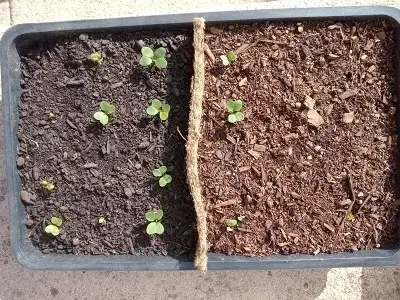
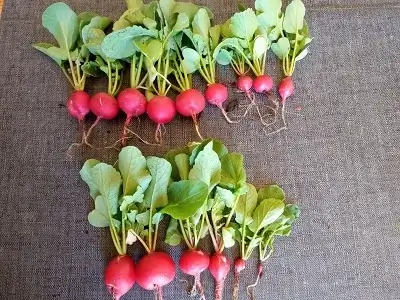
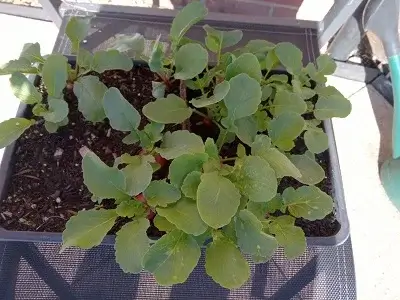
SoilFixer tests, 2:1 mix vs SF40 mix, radish, tomatoes and Sunflower

Radish

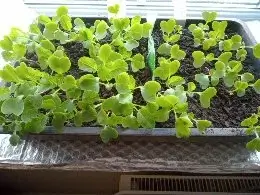
Germination and first few weeks:- the SF40 germinated far more…. and faster

Short-term: (2-10 weeks, mainly radish tests) – we observed X4 more total plant growth via SF40 over the “2:1” mix

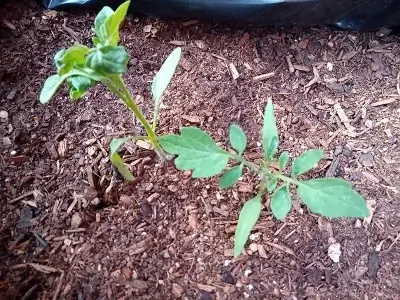
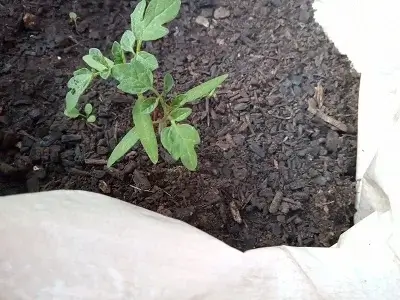
Tomatoes and Sunflowers

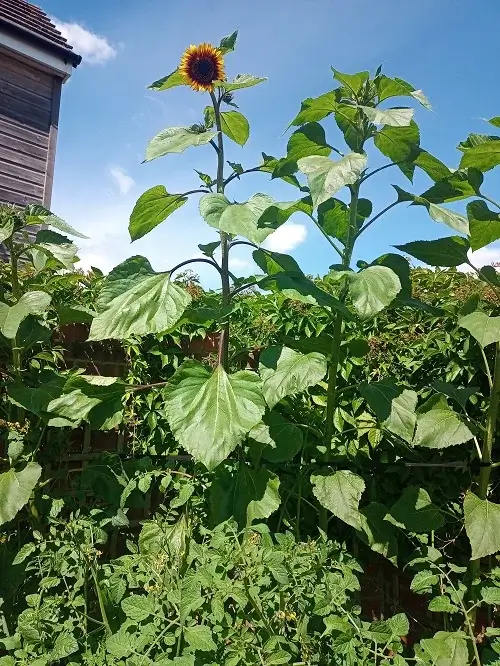
We started to see more early growth in height and spread of the sunflowers and tomatoes planted in the SF40 over those in the 2:1 mix. 

Towards the end of summer, we noticed the 2:1 plants were taller (2.4m vs 2.0m). We then noticed a flaw in the planting – the sunflowers in SF40 nearer to the house were shaded for longer each day.  At the end of September, we cut down and weighed the seed heads, stems, leaves and root ball. When all the weights were added together, there was no significant difference. Both formulations performed equally well for sunflowers.

We planted 3 tomato plants in 2:1 mix and 3 in the SF40 – these were mingled in with the sunflowers. The tomatoes did show a significant difference. Again we weighed the fruit, stems/leaves and root ball. The SF40 root balls were 300% more in both length and total weight. The fruit in the SF40 was 50% more – but when we cut down the plants – we noted that much of the ripe fruit allocated to 2:1 plants was probably from the SF40 plants that have spread and tangled. Overall the SF40 plants showed  75% more growth than the 2:1 mix plants.


SoilFIxer SF40 versus leading multi-purpose compost results

SF40 Vs Leading brand – radish results

Germination 11/12 plants for SF40, 5/12 plants for the leading brand MPC  – double

Total growth 94g for SF40  versus  59g for a leading brand (that’s x1.6 difference)

Biggest weights, top two radish weights: 17g and 16g for MPC, 16 and 14 g for SF40

(We note the major difference is that fewer plants germinated in the MCP so fewer plants went on to grow to maturity. We would expect an MCP to be suitable for most seed germination, but do accept many leading brands suggest a weaker fertiliser ratio for seed germination over full-on potting up and container growth).

SF40 Vs Leading multi-purpose compost – tomato results

Germination – 2 seeds of each – all germinated

During the first few weeks broadly about the same growth rates. We observed that during hot days (25-30C) the SF40 retains water far better than the MPC. Despite watering all the pots in the early morning and evening with the same level, by the end of the day, we noted a significant dropping and water stress in the MPC compost.

Long-term, tomatoes at 3 months

We are starting to see differences. The tomatoes in the leading compost appear taller and leafier. Those in SF40 are slightly shorter and have greener leaves and do appear to be developing more fruits. (One other tester has also reported similar with tomatoes. We hypothesize that this is due to SF50 having more potassium and the leading brand having more nitrogen. (Virtually all multi-purpose composts used as growing media will have a slow-release fertiliser pellet in (eg Osocote – which are small white/milky pellets – not the annular bright chips – they are perlite!). (We also noted a flaw in the test design. A week  3, we moved the seedlings into full sun. But the MPC plants shaded out the SF40 at all times of day.

What did our bloggers and testers find?

@the_organic_plot, @saralimback, @theworkinggarden, @emilysgreendiary, @allotment102, @cotswoldpotager, @cj.grows

Pat P – RWB Gardening club

Tomato production is waning now and I’ve cut the plants back a lot as [gone] mad in my greenhouse.

A very good crop despite the excessive heat. They certainly fared as well as all the others, if not better but that may also have been due to the tomato varieties. I grew the same in each pot of biochar and all did well.

Sally M (Instagram and writer)

Very pleased with SF40 – tested it against my own compost with one squash plant in each pot. Perhaps not the best year to grow squash in pots given the heat as both pots suffered from water stress despite watering regularly – I used a layer of wool fleece over the compost in both pots to try to retain water which helped. Plant growth was roughly the same in each – similar length of shoots, the colour of leaf etc. Some of the leaves were damaged by scorching. I didn’t get much of a harvest – one squash off each as the flowers appeared during the heat wave and didn’t set fruit. 

Marie T (Instagram)

Sorry for the delay in response. Unfortunately, I have broken my foot so it had been a bit difficult but not to worry hubby has been on it so I will get more info for you.  Thanks again honestly just love the stuff!

Benjamin P (Instagram)

 Our trial of the SF40 began 10th June, using 35 litre containers and Tomato ‘Magic Mountain’ as our subject. We planted one in the SF40 (A) and the other in our preferred peat-free potting compost (B). Throughout the trial, plants were watered, tied into supports and pruned/pinched out, but never fed.

 Initial growth saw A to be smaller and tighter in size, though the foliage was a darker healthier shade of green than B. A also developed fruit trusses a little earlier than B, and there were more of them resulting in A cropping first and for a longer period of time. During the length of the trial (June till October) A produced 103 tomatoes as opposed B which produced 85 (see monthly counts below). Both still have lots of tomatoes still to ripen and so plants will be moved in under glass to avoid the cooler wetter conditions.

 Though this was an isolated trial of just 2 plants, I was encouraged by the results and love how the compost can be ‘reactivated’, rather than replaced with fresh compost. I would be keen to use the product again and very interested to see results from a larger trial.

Tomato harvest

JulAugSept
A (SF40)35248
B (Melcourt peat-free)04342

Chris J (Instagram)

I have to say that my tomato growing experience this summer has been slightly disappointing though that has absolutely nothing to do with the SF40.  The tomato plants I have tended and cared for have hardly borne any fruit but the self-seeded plants that got among the blueberries have been bending under the weight of the fruit.

In terms of SF40 compared to the Woodland Horticulture peat free multipurpose the plant has been double the size, a much darker healthier foliage and double the amount of fruit. A mighty 8 tomatoes.

During watering, the SF40 soaks it up like a sponge whereas it pours through the other and then sits in the tray for several days attracting mosquitoes.

Repotting with SF40 was significantly easier too, the root structure much thicker holding the root ball together during transplanting where the other compost would crumble off at the top and be sludgy and probably anaerobic at the bottom

Using a biochar rich compost has reinforced my belief that biochar needs to be part of horticultures future and it will definitely be part of mine.

I’m hoping to be able to get one or more bags for next season to use on its own and to enhance my compost mixes for cacti and houseplants.

Many thanks for allowing me to participate in your trial.


(Dr Ian R feedback/report is posted separately).

Summary SF40 to leading brands

It would be great to make a growing media that gave substantially bigger and better plants than the leading MPC brand. In reality, this was unlikely. The leading brands have spent 15 years perfecting their MPC blends. The science that goes into some of them is amazing – they mix multiple materials (coir, wood fibre, wood chip, peat), specify different particle sizes, water retention chemicals, water surfactants (re-wetting agents), and slow-release fertiliser prills – everything your plants need to give you the results you want – great container plants.

Biochar brings something new to the party. It can be made in the UK from UK waste wood materials. Biochar locks (sequesters) carbon for hundreds of years. It will survive from 100 to 1000 years in soil and containers. There is a realistic prospect of ‘topping up” and reusing SF40 every year for many years.

Even if you are unlucky and the container plants get infected with disease, correctly composted (eg in the hot system for minimum 90 days) the pathogens can be eliminated and the SF40/compost re-used.

Our goal is to produce comparable plant growth per the leading peat-free brands. We are currently doing internal testing against what we regard as the leading UK multi-purpose compost. We have one tray of radish seeds and one container of tomatoes.


Biochar improves methane output in anaerobic digestion (AD)

There are an increasing number of research papers indicating that activated carbon can be used to increase the conversion efficiency of methane made in an AD reactor – anywhere from 5-20%.

Influence_of_Activated_carbon_on_Different_Anaerobic_Digestion_Methane_Potential….

…Activated_carbon_enhanced_anaerobic_digestion…

Application of biochar as an additive to enhance biomethane potential in anaerobic digestion

Many activated carbons are derived from fossil fuels and using them in AD would negate the “sustainability” of the carbon LCA (Life Cycle Analysis). Activated carbons are also expensive and needed in high tonnage. In the first instance, they can be uneconomic. However, we believe our biochar can deliver a positive benefit.

Biochar (by definition and certification) is carbon made from sustainable resources. If the biochar is eventually added to soil, it is an approved IPCC carbon-negative technology. Technically biochar works and performs the same DIET task (see ref. papers) as activated carbon.  There is work to do around scaling output, but biochar manufacturers are confident that biochar will give lower-cost, higher-benefit over activated carbon.  We now have trials underway with a leading AD Biogas company.

You can find high quality biochar for sale from our online store!

A complete circular economy story

  • Biochar is not consumed during the process – it is carried away into the digestate. Subject to strict EA testing protocols (PAS100, PAS110), the digestate can be applied to farmland as a soil improver. When added to the soil, it not only improves soil fertility, it also creates a carbon sink to offset climate change.
  • We are keen to collaborate with industry users to bring back spent biochar and process it in our patent-pending SF60 super compost process.

Biochar for the removal of siloxanes from syngas

Activated carbon is sometimes used to ‘polish’ (or ‘scrub’) sulphur and other volatiles such as siloxane from SynGas prior to combustion in CHP engines. (This reduces fouling of the CHP engines. Development work is needed to prove biochar can replace activated carbon for this application. Please call if interested in working with us.

Biochar as a biofilter to remove odours from PAS100 composting, methane and VOCs from landfill gas

Carbon can be used to filter odours from landfill gas and composting. However, the tonnage required and the price per tonne make this uneconomic, so the current default option is to use wood chip as a biofilter.  Using new production methods and sustainable raw materials biochar is set to become a viable option. If you are interested in testing the concept, please call to discuss it.

How/Why Biochar biofilters outperform wood chip or compost biofilters

  • It is possible to do both chemical and biological filtration in one filter
  • The same biofilter media can be used for many years – saving a huge amount of money, reducing waste and its negative environmental impact
  • Spent biochar filter media can be used to make a ‘super compost’ soil improver. Biochar inoculated in compost helps improve soil health and plant growth. The carbon is also locked (sequestered) into the soil – offsetting your carbon footprint and helping to mitigate climate change.
  • Removes organic molecules by adsorption onto the pore surface. As organic molecules are removed the water is clarified. (Many organic molecules have a yellow colour tinge)
  • Biochar filters act as a living space for nitrifying bacteria. The aerobic (oxygen requiring) nitrifying bacteria convert toxic ammonia into the less toxic nitrate/nitrite molecules.
  • Biochar filters do not degrade. Wood chip is cheap and plentiful but over time it degrades and the filters block with fine particles and microbial biofilms. At this point, they need replacing.
  • Biochar supports microbes that break down methane. Wood chip does not support methanotrophic bacteria (i.e. bacteria that break down methane).

(Image: “example AD site”, courtesy of Malaby Biogas, Wiltshire)

There are now more than 15,000 published biochar papers.

This new meta-analysis paper is the biggest and most comprehensive meta-analysis of these papers to date.

The paper is at link:  Biochar in agriculture – A systematic review of 26 global meta-analyses, Hans-Peter Schmidt,Claudia Kammann,Nikolas Hagemann,Jens Leifeld,

The summary table is in the chart below.

The property being measured is in rows/down. Where the bar-chart is to the right of zero line, it is a positive benefit.

  • Overall biochar gives a 15-25% increase in growth
  • Biochar co-composted with green waste (e.g.SF60!) overcomes many (all!) the priming issues and gives results at the higher end of the range.

If you want a full briefing then Klaudia and Maria (from the IBI) gave a detailed review presentation on 25th Jan, This is available to all IBI members. If you are not a member, £65.00 a year is 100% worthwhile for those wanting insight into biochar.

performance

Selected parameters with highest agronomic relevance that were investigated in the 26 reviewed meta-analyses. The mean overall effect size (% change) and 95% confidence intervals are given as reported in the original studies. The numbers in parentheses indicate the number of pairwise comparisons used for that specific parameter.

Biochar – sequestration diagram, C Steiner, 2008

Biochar to Tackle Climate Change

Biochar has an enormous potential to help mitigate climate change by locking (sequestering) the carbon into the soil. The detailed numbers can be overwhelming so just one headline: biochar has the potential to offset up to 12% of the TOTAL CO2 emissions.

(If you want more detail, a good read would be Dominic Woolf’s summary in Nature Communications).

12% might not sound huge – but when it is linked with the fact the technology (pyrolysis) is well understood and ready to implement at scale plus the science around the benefits of adding it to soil are well known, then biochar enters a ‘small and significant’ group of negative carbon options available as we head toward 2030 and the net-zero goal.

Here at SoilFixer, we have been preparing for take-off for some time. All the pieces of the jigsaw are now aligned.  We aim to make 2,000 tonnes per annum in our pilot project. The plan is to grow this via multiple sites to  300,000 tpa – offsetting 1 million tonnes of carbon dioxide (7% of the UKs net-zero target). Join us and help make it happen.

1Kg of biochar carbon offsets approx. 3 Kg CO2e (see calculation below)*

Every gardener,  farmer and landowner can help offset (mitigate) climate change by adding biochar or biochar super compost (SF60) to their soil. Every government and corporate entity can help support the industry by purchasing biochar offset credits.

In this blog, we explore how biochar is used to mitigate climate change. The role of biochar in terms of soil carbon, compost, humus, and soil organic matter.

The world has declared a climate emergency.’  There are lots of changes we can (and will have to make) to reduce our personal carbon footprint – growing some fruit and vegetables, composting, using fewer chemicals and plastic, the list goes on. Here at SoilFixer we talk about the benefits of making your own compost a lot and how adding colloidal humus and biochar can help enrich it, biochar not only provided a multitude of benefits for plants, it also plays an important role in reducing carbon by simply adding it to the soil.

There is ongoing research and development that is looking at all sorts of sequestration options and soil is one option. If we add 1Kg of soil carbon we offset approx 3 Kg CO2e (see calculation below). All the earth’s soils have the ability to store more carbon. Estimates range from the ability to offset 10-20% of all global emissions – that is potentially a huge dent in the target.

Naturally occurring soil carbon

Soil Scientists use the terms Soil Organic Matter (SOM) and Soil Carbon (roughly 50% of the total SOM figure). These terms include all organic-Carbon. For locking up carbon in soil (i.e. mitigating climate change), only those forms of Soil carbon that are resistant to biodegradation are helpful. Only a tiny amount of the plant organic matter that enters the soils forms into recalcitrant, resistant to decay carbon. This fraction is usually termed the humic fraction. (Note humus to soil scientists does not mean well-matured compost!)

Storing carbon in soil already happens, it is a natural process, it does not need and new technology, it just needs everyone and every farmer to understand that it is a viable option because every time we dig over our gardens we reduce the number of nutrients stored in the soil and carbon dioxide is released into the atmosphere; this happens on a huge scale in farming and agriculture. There are a few changes that can be made to prevent SOM/Soil Carbon decline such as considering using the no-dig  / no-till method, making your own compost, and adding it to the soil regularly.

Compost and soil carbon

Compost is biodegradable. Only a tiny fraction (estimated at <1%) forms into long-term soil carbon. (take-away tip: adding lots of compost to your soil will NOT increase your soil-carbon. It is estimated that it would take 20-50 years to re-build soil using compost and organic matter). Unfortunately, this fact led soil carbon sequestration not being on the early lists of the Intergovernmental Panel on Climate Change (IPCC) lists of urgent technologies to investigate. Thanks to the hard work from various biochar organisations such as the IBI and EBC this situation has been updated and biochar is now on the list.

Biochar and Soil Carbon

Biochar is non-biodegradable so it has the ability to remain in the soil for hundreds, if not thousands of years. It can also play a huge role in reducing our carbon footprints: every 1kg of biochar can offset 1Kg of carbon, i.e. 3.6Kg of carbon dioxide. Why isn’t everyone covering their gardens with it and farmers using it on their fields? It is expensive to produce and therefore expensive to buy (in large quantities). The solution to this is to do a little bit every year to lessen the financial strain, not will your soil be healthier but plants and edibles will benefit too whilst you help reduce climate change.

For those looking for a really in-depth review of biochar versus other off-setting technology, we recommend reading the European Biochar Initiative white paper via this link

The biochar industry has been advocating that increasing soil carbon can be achieved in 1 year via biochar….

* Please note: the actual offset for each biochar will depend on the % carbon content. Our biochar is 85% carbon. Some biochars can be as low as 60%, some as high as 95%. We then have to consider “permanence” – how long does the biochar stay in the soil. After a long discussion period, the biochar organization (EBC, IBI) has agreed with IPCC that the hydrogen to organic carbon ratio (H/Corg) will be used to determine the volume of carbon at 100 years. A considerable safety buffer has been built into the calculation, and again the H/C will vary by vendor. Our biochar comes out at 85% retention at 100 years.    If you wanted to formally claim Offsets (sequestration) funds, the accurate calculation would be 3.67Kg*0.85 (%C) *0.85 (100 yr H/C) = 2.65 Kg CO2e offset).

Biochar Super Compost (SF60) and Soil Carbon

Although it is still early days around testing and evidence… SF60 (our mix of compost (40%), biochar (20%) and colloidal humus (40%) is looking promising as a new type of sequestration technology. The colloidal humus appears to be resistant to biodegradation (in our tests > 50 years). By increasing the amount of colloidal humus from 1% in compost to 40% in SF60, we increase the amount of carbon in soil. Those quick on the maths will spot that biochar has just become a lot more cost-effective. (We achieve 60% of the impact using 20% of the cost. (0.2/0.6 = 0.33, i.e. x3 more cost-effective).

Where does our compost activator (humification agent) fit in?

If you are home composting – then add the humification agent to your compost. Not only will you add biochar, but you will also make colloidal humus. Both offset your carbon footprint and the compost you get is a great organic, natural soil improver that will increase yield and flowers (20% more) as well as support plant health and resistance to drought.

  • 1 Kg SF60 has the potential to offset 1Kg CO2e (figures updated 18/09/20)*

(* Our tests indicate this, but we recognise the tests have yet to be validated by an external independent body).

You can buy our Humification Agent, Biochar and SF60 Super Compost from our online store here.

How do I activate and inoculate biochar?

There are four main methods

  1. Soak the biochar in a dilute solution of liquid fertiliser for 1-3 days before use.
  2. Mix the biochar with compost – leave it to stand for 6-12 weeks
  3. Mix the biochar into the soil, leave it at least 3, preferably six months before planting
  4. Add the biochar to your green waste and compost for 3-18 months – add the biochar compost to the soil

Method 4 has always been the SoilFixer recommended process. We make our Biochar Super Compost (SF60) this way using our biochar compost humification agent (CHA).

Why does biochar need activating?

Think of biochar as a dry ‘sponge’ – it wants to (and needs to!)  absorb water and plant nutrients. Once done, soil microbes will associate with the biochar and begin working to transfer nutrients to the plant roots.

If you put raw biochar in your soil, it will take up water and nutrients from the soil until it is full. This can take anywhere from 3 to 6 months. During this time, the plant’s roots are competing with biochar and it can be detrimental to plant growth. We call this the biochar lag period.

You can quickly activate biochar by soaking it in a liquid feed – see below.

Note: if you prefer to buy ready to use, activated biochar – please look at our SF60, Biochar Super Compost

Why does biochar need inoculating with microbes?

Once the ‘sponge’ is full of water and nutrients, it is potentially a safe home for beneficial soil microbes. The walls of the biochar protect against attack. The ‘sponge’  has lots of areas full of nutrients. The microbes live in and close to the biochar. forming symbiotic relationships with plant roots and exchanging nutrients (NPKs) for sugar (which the plants make via photosynthesis).

A number of biochar producers focus on biochar properties like its ability to absorb nutrients. Absorption increases with surface area, hence they focus on making ultra-fine powders. Our testing leads us to believe lots of “biological sized pores” are the defining feature of biochar that works well and biochars that do not.   This is why we only use wood biochar. We grade it all into fine granules of less than 8mm to maximize the biological properties.

How do bacteria get into the biochar pores?

Bacteria have no legs. They can be carried in flowing water. Getting them into the biochar can take 3-6 months, or you can inoculate the biochar with a range of soil microbes. The simplest and easiest method of inoculation is to put your biochar into the compost heap and use the resulting biochar super compost.

Table of activation and inoculation options for biochar

SoakSlurrySoilMake CompostSuper Compost
ToolsBucket, watering canBucket, watering canSoil, raised bedCompost binNone
MaterialsBag of biochar, liquid feed (tomato, Miracle-Gro ™, comfrey tea, seaweed, etc)Compost, biocharSoil, biocharGreen waste, biochar or CHACompost waste, CHA or biochar
HowDrop biochar into the bucket. Dilute liquid feed as recommended in the watering can. Add diluted liquid feed into the bucket. Leave it to soak for 3 hours, preferably 24 hours.

Dig biochar into soil

Add 10 cm (3 inches) layer of compost into wheelbarrow. Add a bucket of water. Mix to create a slurry. Add a bag of biochar, mix well into the slurry. Leave 24 hours, preferably 3 days.Dig biochar into soil. Ratio 2-5Kg/m2Sprinkle CHA onto green wasteBuy SF60
Benefits
Absorbs wateryesyesyesyes
Absorbs Nutrientsyesyesyesyes
Inoculates with microbesnoyesyesyes
Timeframe1 day1 day3-6 months3-12 months

Which nutrient feed should I use with raw biochar?

This is down to personal choice.  It can be an organic feed such as liquid comfrey, seaweed, compost slurry or a liquid feed commercially available such as tomato feed, MiracleGro ™, etc.

Should I add mycorrhizal fungi (MF, AMF)?

The association of plant roots with mycorrhizal fungi happens with an estimated 80% of all plant species. This symbiotic relationship is seen as essential to good healthy plant growth. Opinions are split on how best to achieve this. Some biochar vendors are adamant about the need to add AMF powders and solutions to biochar. Others are just as adamant that adding AMF is not needed. We see this as a more nuanced approach based on your situation.

The benefits of applying AMF relate to how AMF work in the soil.  Healthy soils already have AMF spores present in the soil. When plants germinate, they release hormones that ‘activate’ the AMF to start growing. Hence, most soils really do not need additional AMF spores.

If your soil is very poor and has not seen any plant growth for years, adding AMF spores would seem sensible.

However, mycorrhizal fungi are best used at the point of planting as they attach to the roots of the plants. Dispersing a tiny quantity of AMF spores into a large volume of soil may not provide any noticeable results as the roots might not come into contact with the dispersed spores.

There are many professional growing situations where the arguments around ‘risk and certainty’ change how AMF could be used.

At SoilFixer, we do not routinely add AMF to our products like Biochar Super Compost (SF60). But our Biochar Super Compost has been through the composting process so is rich in all sorts of microbes found in soil.

You may have already made the first lawn cut of the year, if you haven’t, start with a high blade and gradually reduce over the weeks to your preferred height. If your lawn is prone to moss and weeds, here we will explain how our biochar granules and SF60 super compost can help.

Tackling weeds and moss really depends on your individual approach, there is a wide variety of weed and moss killers on the market, both chemical based and a number of effective treatments that use natural ingredients. You can also remove them manually but this can take some time and unless you remove the entire root, which is difficult with weeds such as dandelions, they are sure to return within no time at all.

Once you have weeds and moss under control, there’s a few additional things you need to check for including:

  • Poor drainage leading to water logging – if you have to add drainage pipes, while dug out, add biochar.
  • Compact soil leading to poor aeration and drainage – if you spike or cut out aeration plugs, back fill with 0-2mm biochar (Professional golf greens are using biochar for this)
  • Too acidic – off course a light coating of lime is the norm. Buit Biochar has a Ph of 9.5 and it will also help reduce acidity. The increased microbial activity will also improve the root health as biofilms provide a protected neutral zone
  • Lack of feed – SF60 will provide short and long term nutrients
  • Too close cutting – leave extra 2cm height on grass

How can SoilFixer products help as a top dressing?

SF60 is already sieved to below 15mm and has less twigs and small bits of organic matter than a traditional compost. It tends to work in well feeding the grass. Long term the biochar elements will work down into the root zone and form interactions with soil microbes resulting in improved grass growth. Simply sprinkle across the lawn.


Biochar 0-8mm is easy to spread and rake in. We recommend spreading biochar and then a granular fertiliser. Top tip: remember – if the lawn is close to the house and has a lot of footfall back into the house, take extra steps to water and flush biochar into the soil. Otherwise, you will have black carbon footprints in the house!


Biochar 0-13mm particles are too big to use as a top dressing. If you are planning on re-laying the lawn, rake Biochar 0-8mm in soil bed – it will help drainage and aeration as well as improve root health and grass vigour. (Spread 1 Kg/m2).


Another biochar lawn care article from us:

Biochar mitigates climate change

Every gardener and farmer can help offset (mitigate) climate change by adding biochar or biochar super compost (SF60) to their soil.

1Kg of biochar carbon offsets 3.6 Kg CO2*

In this blog, we explore how biochar is used to mitigate climate change. The role of biochar in terms of soil carbon, compost, humus, and soil organic matter.

Earlier this year a national climate emergency was announced by the UK government and the United Nations says we have ‘just 11 years left to limit a climate catastrophe’. These are certainly worrying times but there are lots of changes we can make in our gardens that can reduce your personal carbon footprint by growing some fruit and vegetables, composting, using fewer chemicals and plastic, the list goes on. Here at SoilFixer we talk about the benefits of making your own compost a lot and how adding colloidal humus and biochar can help enrich it, biochar not only provided a multitude of benefits for plants, it also plays an important role in reducing carbon by simply adding it to the soil.

There is ongoing research and development that is looking at all sorts of sequestration options and soil is one option. If we add 1Kg of soil carbon we offset 3.6Kg CO2. All the earth’s soils have the ability to store more carbon. Estimates range from the ability to offset 10-20% of all global emissions – that is potentially a huge dent in the target.

Naturally occurring soil carbon

Soil Scientists use the terms Soil Organic Matter (SOM) and Soil Carbon (roughly 50% of the total SOM figure). These terms include all organic-Carbon. For locking up carbon in soil (ie mitigating climate change), only those forms of Soil carbon that are resistant to biodegradation are helpful. Only a tiny amount of the plant organic matter that enters the soils forms into recalcitrant, resistant to decay carbon. This fraction is usually termed the humic fraction. (Note humus to soil scientists does not mean well-matured compost!)

Storing carbon in soil already happens, it is a natural process, it does not need and ‘new technology’, it just needs everyone and every farmer to understand that it is a viable option because every time we dig over our gardens we reduce the amount of nutrients stored in the soil and carbon dioxide is released into the atmosphere; this happens on a huge scale in farming and agriculture. There are a few changes that can be made to prevent SOM/Soil Carbon decline such as considering using the no-dig  / no-till method, making your own compost and adding it to the soil regularly.

Compost and soil carbon

Compost is biodegradable. Only a tiny fraction (estimated at <1%) forms into long-term soil carbon. (take-away tip: adding lots of compost to your soil will NOT increase your soil-carbon. It is estimated that it would take 20-50 years to re-build soil using compost and organic matter). Unfortunately, this fact led soil carbon sequestration not being on the early lists of the Intergovernmental Panel on Climate Change (IPCC) lists of urgent technologies to investigate. Thanks to the hard work from various biochar organisations such as the IBI and EBC this situation has been updated and biochar is now on the list.

Biochar and Soil Carbon

Biochar is non-biodegradable so it has the ability to remain in the soil for hundreds, if not thousands of years. It can also play a huge role in reducing our carbon footprints: every 1kg of biochar can offset 1Kg of carbon, ie 3.6Kg of carbon dioxide. Why isn’t everyone covering their gardens with it and farmers using it on their fields? It is expensive to produce and therefore expensive to buy (in large quantities). The solution to this is to do a little bit every year to lessen the financial strain, not will your soil be healthier but plants and edibles will benefit too whilst you help reduce climate change.

The biochar industry has been advocating that increasing soil carbon can be achieved in 1 year via biochar….

* Please note: the actual offset for each biochar will depend on the % carbon content. Our biochar is 85% carbon. Some biochars can be as low as 60%, some as high as 95%. We then have to consider “permanence” – how long does the biochar stay in the soil. After a long discussion period, the biochar organization (EBC, IBI) has agreed with IPCC that the hydrogen to organic carbon ratio (H/Corg) will be used to determine the volume of carbon at 100 years. A considerable safety buffer has been built into the calculation, and again the H/C will vary by vendor. Our biochar comes out at 85% retention at 100 years.    If you wanted to formally claim Offsets (sequestration) funds, the accurate calculation would be 3.67Kg*0.85 (%C) *0.85 (100 yr H/C) = 2.65 Kg CO2e offset).

Biochar Super Compost (SF60) and Soil Carbon

Although it is still early days around testing and evidence… SF60 (our mix of compost (40%), biochar (20%) and colloidal humus (40%) is looking promising as a new type of sequestration technology. The colloidal humus appears to be resistant to biodegradation (in our tests > 50 years). By increasing the amount of colloidal humus from 1% in compost to 40% in SF60, we increase the amount of carbon in soil. Those quick on the maths will spot that biochar has just become a lot more cost-effective. (We achieve 60% of the impact using 20% of the cost. (0.2/0.6 = 0.33, ie x3 more cost-effective).

Where does our compost humification fit in?

If you are home composting – then add the humification agent to your compost. Not only will you add biochar, but you will also make colloidal humus. Both offset your carbon footprint. And of course, you have a great organic, natural soil improver that will increase yield and flowers (20% more) as well as support plant health and resistance to drought.

  • 1 Kg Biochar offsets 1 Kg Carbon, ie 3.6Kg CO2e
  • 1 Kg SF60 potential* to offset 1Kg CO2e (figures updated 18/09/20)

(* Our tests indicate this, but we recognise the tests have yet to be validated by an external independent body).

You can buy our Humification Agent, Biochars and SF60 Super Compost here.

Types of Biochar for Soil: From Raw to Activated and Super Compost

This blog looks at different grades of biochar and the benefits they can bring to soil health and to the garden.

What Are the Different Types of Biochar for Soil?

Basic Biochar

We champion the 0-13mm granules as the “basic” (standard) grade of raw biochar.

Wood-based biochar granules around 0 to 8mm work best, with 13mm being the largest. Which is good because this happens to fit well with industry-standard sieving and grading machines!

We opt for wood as the core material because not only does it generate biochar with pores – it generates biochar with a range of pores – know as macro, meso and micro pores. If you compare the pores sizes to the typical size of microbes and fungi – then it is a small step to link the medium and large pores acting like walls and home, protecting the microbes from predators.

Biochar acts like a sponge collecting nutrients from the surrounding soil. If added “raw” to the soil, it can take a few weeks or months to become inoculated with nutrients, water and beneficial microbes. During this period it has been shown to hinder growth. Biochar suppliers, therefore, recommend biochar is inoculated (activated or charged) before use.

How do we make the raw standard wood-based biochar better?

Better Biochar – activated

“Raw” biochar should be activated (i.e. enriched, inoculated, charged) before use. There are several methods of achieving this: soaking biochar in liquid fertilisers, mixing it with solid fertilisers or combining it with compost. (By fertilisers we mean macro plant nutrients (nitrogen, potassium and phosphorus). The source could be natural organic (e.g. chicken poo pellets, bone meal, seaweed) or man-made chemical fertilisers.

If we think of biochar as a sponge, this type of “charging” fills the biochar pores with water and attaches the nutrient molecules to the active carbon sites in the biochar. An analogy would be a full kitchen of food ready for making meals (in our case a meal for the plant roots).

How do we make the best biochar?

What Can Aid Biochar?

There is no doubt that biochar added to soil provides a huge number of benefits. Biochar mixed with compost and or fertiliser nutrients work faster and avoid some issues. However, we and others (e.g. Hans Peter Schmidt) have found that when biochar is added to the composting process and the resulting compost-biochar matrix is used – then the biochar works even better.

Why does Biochar Super Compost work better?

Specific types of biochar-humus matrix actively support symbiotic rootzone soil microbes. These symbiotic root zone microbes and fungi dramatically improve plant growth and plant health.

Through careful choice of biochar added to the compost and careful control of the composting process to produce colloidal humus – we get Biochar Super Compost. In our process, we increase the beneficial colloidal humus from 2% to 20%. Colloidal humus is a super sponge:

  • it can absorb x10 own weight water (versus x2 in soil and compost)
  • it has a higher affinity for adsorbing nutrients (CEC 600 vs 20 in soil)
  • it is sticky – it aggregates soil particles into tilth which improves water and oxygen movement to the roots.

Optimization of Biochar

We have suggested the real success of biochar is related to increased colloidal humus. We call this biochar-humus matrix “Biochar Super Compost” (SF60).

It would be wonderful for us if all gardeners bought and used SF60. Many gardeners do not buy fertilisers or compost – they recycle and make their own organic compost/fertiliser by composting garden waste.

By adding the biochar super compost agent (aka the compost humification agent) home composters can make SF60 – in 90 days with a hot composting system or 9-12 months if using a ‘cold’ composting dalek or wood pallet box.

The steps below summarise the basic, better best and matches these to our products that can help you.

  • Raw biochar added to soil
  • BC charged with liquid nutrients then added to soil
  • BC mixed with compost then added to soil
  • BC added to green waste, composted and the compost/BC mix is then added to soil
  • Biochar Super Compost Agent (aka compost humification agent) added to green waste, composted and resulting biochar super compost added to soil

This article very much looks at the performance of biochars. Many people will of course also be interested in the environmental impact and sustainability of the biochar source. You can read more about these aspects at our sustainable biochars blog.

Shopping cart0
There are no products in the cart!
Continue shopping
0